
Exterior Painting in Vancouver
Vancouver's climate is hard on exterior paint. Coastal humidity, a long wet season, and UV exposure in the summer months all work against a finish that wasn't applied properly — which is why exterior painting is a different job from interior work, not just an outdoor version of it. Timing, surface prep, and product choice all matter more here.
Celestial Painting has painted exteriors across Vancouver and the Lower Mainland for more than 25 years. This page covers what's involved, when the right time to paint actually is, and what separates a job that holds up for years from one that needs redoing after one winter. If you want to know who will be on your property, start with our team's background.
If you've had exterior paint fail early before — peeling within a couple of years, bubbling near window trim, or colour that faded fast on a south-facing wall — it's usually a prep or timing issue, not a paint-quality issue alone. That's the part of the job that's easy to rush and hard to see until it's too late, and it's the main reason two exterior paint jobs using similar products can age completely differently a few years down the line.
Get a Free Estimate
What Exterior Painting Includes
Exterior painting covers siding, trim, fascia, soffits, doors, and in many projects, deck or fence staining. Before any paint goes on, we handle the repair work that actually determines how long the finish lasts: caulking gaps, sanding down rough or peeling areas, patching holes, and re-glazing windows where needed.
We work on both residential properties and light commercial exteriors — for a larger commercial building or retail storefront, our team handling commercial properties is built around those timelines and access requirements specifically.
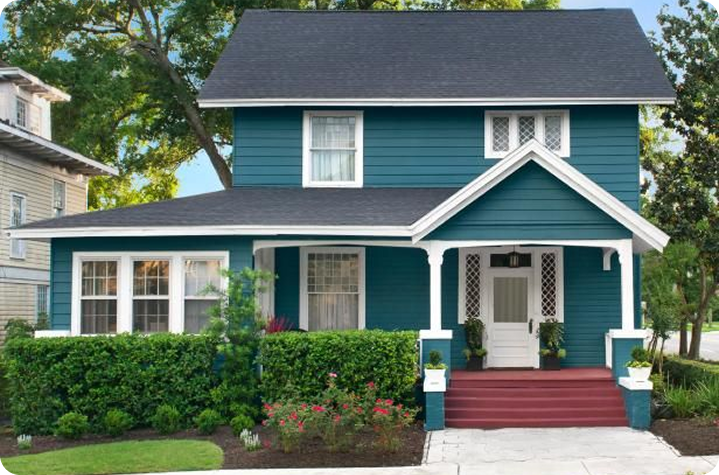
Different exterior surfaces need different approaches. A rough guide to what changes:
Wood siding and trim
What it usually needs: Sanding, priming bare wood, caulking joints
Common issue if skipped: Peeling and rot if moisture gets behind the paint
Stucco
What it usually needs: Cleaning, crack filling, breathable paint
Common issue if skipped: Trapped moisture, cracking
Vinyl siding
What it usually needs: Thorough cleaning, correct paint type (vinyl expands and contracts with temperature)
Common issue if skipped: Warping if the wrong product is used
Fibre cement
What it usually needs: Caulking, priming cut edges
Common issue if skipped: Water intrusion at unsealed edges
We identify the surface type during the estimate and adjust prep and product accordingly rather than using one approach across every exterior.
The Vancouver Painting Season
Exterior paint needs a stretch of dry, moderate-temperature weather to cure properly — rushing it during a wet spell is one of the most common reasons exterior paint fails early. In the Lower Mainland, that generally means late spring through early fall gives the most reliable painting window, though specific conditions vary year to year and by exposure (a south-facing wall dries differently than a shaded north side).
We plan around the forecast, not just the calendar, and we'll tell you honestly if the timing isn't right for a durable result rather than painting anyway and hoping for the best.
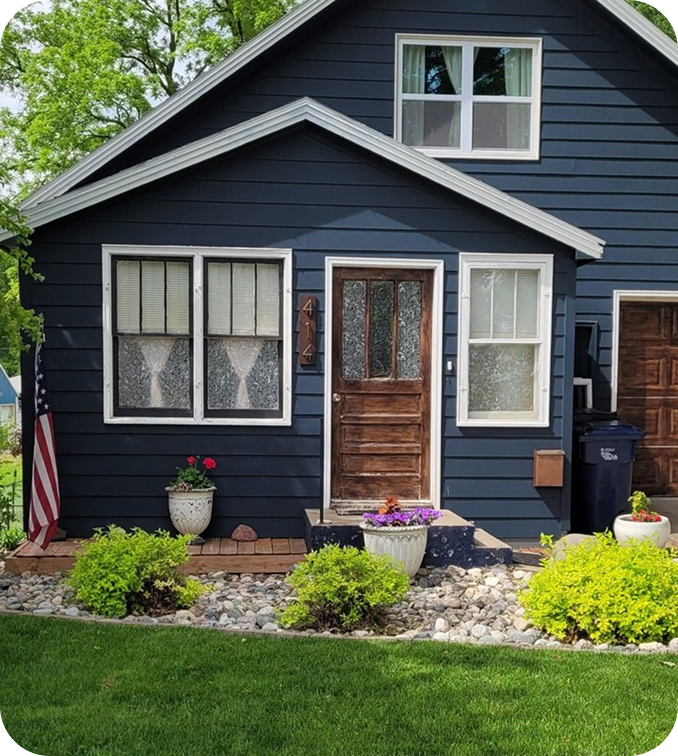
A few seasonal notes worth knowing:
Spring
Spring can work, but late-spring rain is common — we watch the forecast closely rather than booking off the first dry-looking week.
Summer
Summer is usually the most reliable stretch, though intense heat and direct sun can cause paint to dry too fast on some surfaces if timed wrong in the day — we adjust which side of the property we tackle and when.
Early fall
Early fall can still work well if the weather holds, but the window narrows fast once the wet season sets in.
Winter
Winter exterior painting is generally not recommended in this climate — temperature and moisture conditions make it hard to get a durable result, and we'll say so rather than book work we don't think will hold up.
Who This Is Best For
- Homeowners whose siding or trim is fading, peeling, or chalking
- Anyone preparing a property for sale, where exterior condition is often the first thing a buyer notices
- Properties with visible wood rot, caulking failure, or water staining around windows and trim
- Businesses wanting a storefront or building exterior refreshed without a full commercial repaint
If your project is a full industrial facility exterior — coatings for compliance, asset protection, or heavy-duty environments — see our industrial coating work instead; different products and standards apply there. If you are not sure which service fits your project, our services page lays out the full range.
Exterior condition is also one of the first things people notice about a property, whether that's a potential buyer, a new tenant, or just a neighbour walking past. Faded or peeling paint reads as neglect even when the rest of the property is well maintained — which is why exterior painting comes up so often ahead of a sale, a rental listing, or just wanting the property to look as cared-for on the outside as it is on the inside.
What the Process Involves
1. Assessment and estimate
We inspect the exterior, identify problem areas (rot, failed caulking, peeling paint, previous paint failures), and give you a clear price before booking — including flagging any repair work the estimate depends on, and roughly when in the season we'd plan to do the work.
2. Surface repair
Caulking gaps, sanding failing paint back to a sound surface, patching holes, re-glazing windows where needed, and pressure washing where the surface needs it before any paint touches it. This step is the difference between a finish that lasts and one that doesn't — it's also the step that's hardest to judge from a driveway estimate alone, which is part of why we do this in person rather than over the phone.
3. Priming
Bare wood, patched areas, and significant colour changes get primed before topcoat — skipping this is one of the most common shortcuts that shows up within a year.
4. Painting
Even coats applied in the right weather window, with proper drying time between coats rather than a rushed second coat over a still-damp first one.
5. Final inspection
We walk the property with you, touch up anything that needs it, and clean up the site — removing masking, drop sheets, and any leftover materials — before calling the job done.
For interior work, our interior painting page covers the same level of detail if your project includes both — a full-home refresh often means both in the same visit.
Our outdoor painting prep checklist goes into more detail on the prep work that determines how long an exterior paint job actually lasts — worth a read if you want to understand what you're paying for. If you would like to see how finished jobs look, our completed projects page is the place to start.
A Simple Pre-Paint Checklist
- Note any areas of visible rot, peeling, or water staining ahead of the estimate
- Trim back plants or shrubs touching the exterior walls where you can
- Move outdoor furniture, planters, and decorations away from the work area
- Let us know about any upcoming events or deadlines (a sale date, a gathering) that affect timing
- Ask about your HOA or strata's colour approval process early if one applies — this can affect the timeline more than the painting itself
- If neighbouring properties or shared walls are involved, flag it during the estimate so access and scheduling can be planned around it
- Check for pressure-washing needs ahead of time — a dirty surface won't hold new paint properly, and we'll assess whether this is needed as part of prep
Why Homeowners and Businesses Choose Celestial Painting
More than 25 years of experience with Vancouver's specific climate
Working through the wet-season/dry-season cycle that catches out less experienced crews.
Repair-first approach
Caulking, sanding, and patching handled properly before paint, not papered over.
Honest timing
We'll tell you if conditions aren't right for a durable result, rather than painting anyway.
A clear estimate before work starts
Including what repair work is and isn't included, so there's no ambiguity about what a follow-up quote might be needed for versus what's covered.
We'd rather push a start date back a week for better weather than deliver a finish that fails the following winter — that trade-off is usually invisible until it isn't, and it's the main thing that separates a lasting exterior paint job from one that needs redoing.
“Celestial guys did a makeover miracle. Our office looks so modern and stylish now with the new paint job. They provided helpful tips in maintaining it too. Good job folks!”
Rachel S., Boutique Store Owner
Frequently Asked Questions
When is the best time of year to paint an exterior in Vancouver?
Generally late spring through early fall, when there's a reliable stretch of dry, moderate weather. We assess the actual forecast for your project rather than working off the calendar alone.
How long does exterior paint typically last?
It depends heavily on surface prep, sun/weather exposure, and product quality — a job with proper prep and the right conditions holds up meaningfully longer than one that was rushed. We'll talk through realistic expectations for your specific property during the estimate.
Do you paint stucco, vinyl siding, and wood siding?
Yes — different siding materials need different prep and products, and we adjust our approach based on what your exterior is made of.
Will rain delay my project?
It can. We build weather flexibility into scheduling and won't paint in conditions that would compromise the finish — we'd rather delay a few days than deliver a job that fails early.
Do you handle deck or fence staining as well?
Yes, this often comes up as part of a broader exterior project — let us know during your estimate if it's part of what you need.
Do I need to be home during exterior painting?
Not necessarily, though we'll coordinate access to the property and confirm any areas (gates, outdoor outlets) we'll need reached.
What if my HOA or strata requires colour approval?
Let us know early — we can provide colour details for approval requests, but the approval process itself needs to happen before we can schedule the work.
Do you offer free estimates for exterior work?
Yes — an on-site assessment and a clear price before anything is booked.
Does the colour I pick affect how well the paint holds up?
It can — darker colours absorb more heat and can fade or break down faster under strong sun exposure than lighter shades. We'll flag this if it's relevant to your colour choice, but it doesn't rule any colour out; it just affects how the finish ages over time.
Can you match my current exterior colour, or help me choose a new one?
Both — we can match an existing colour closely for partial repaints, or help you narrow down new options if you're changing the look entirely. It's worth discussing during the estimate rather than deciding sight-unseen, since colour reads differently on a large exterior surface than on a paint chip.
Ready to Protect Your Property?
If your exterior is showing wear, or it's just been a while, reach out for a free estimate. We'll assess the property, talk through timing, and give you a straightforward price for what it actually needs — no pressure to book before you're ready.
Get a Free Estimate